01
What have we got?
Exactly, and by location.
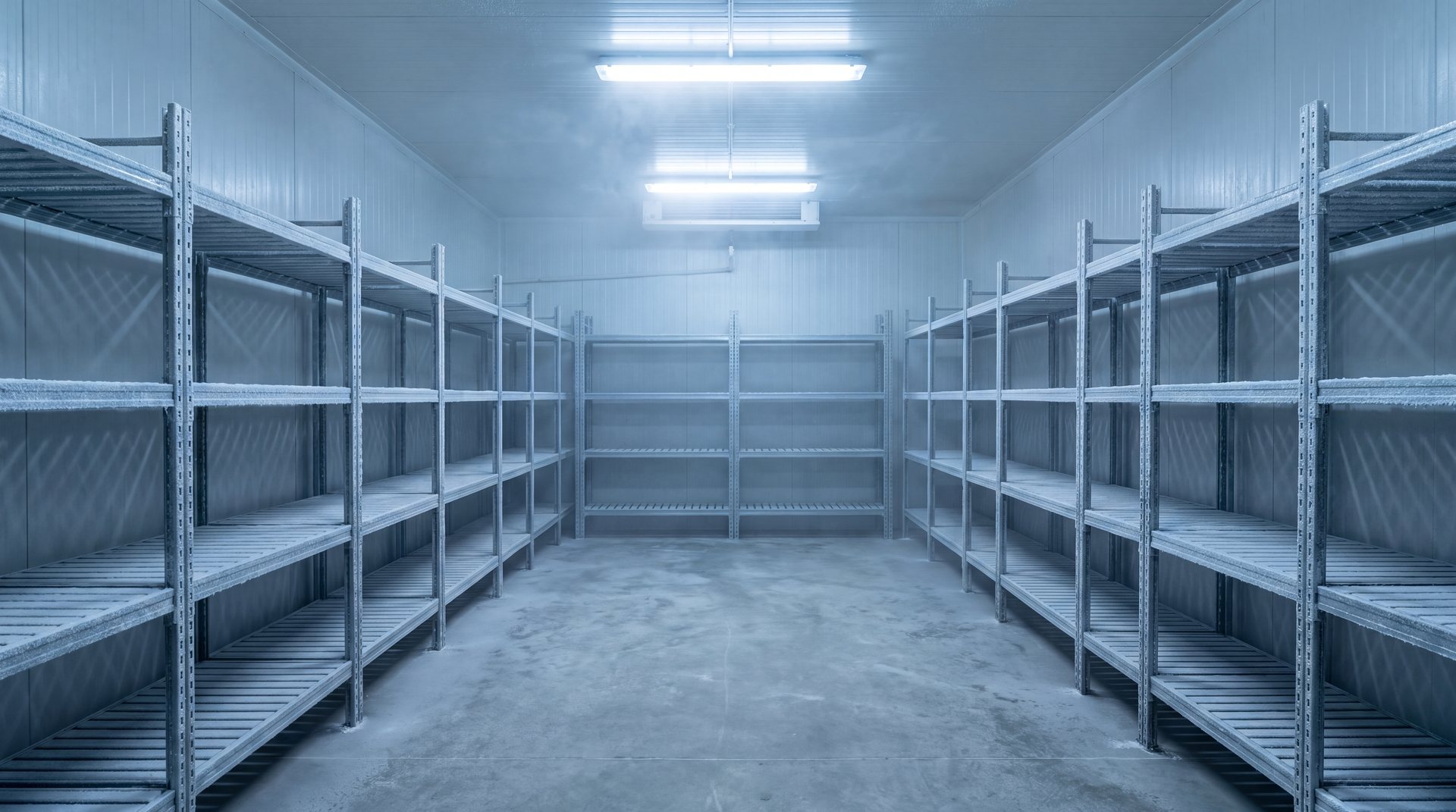
Not forty litres of milk. Thirty in the cold room, ten at the canning line, two out with a team and five hundred millilitres owed back.
A production system for food factories
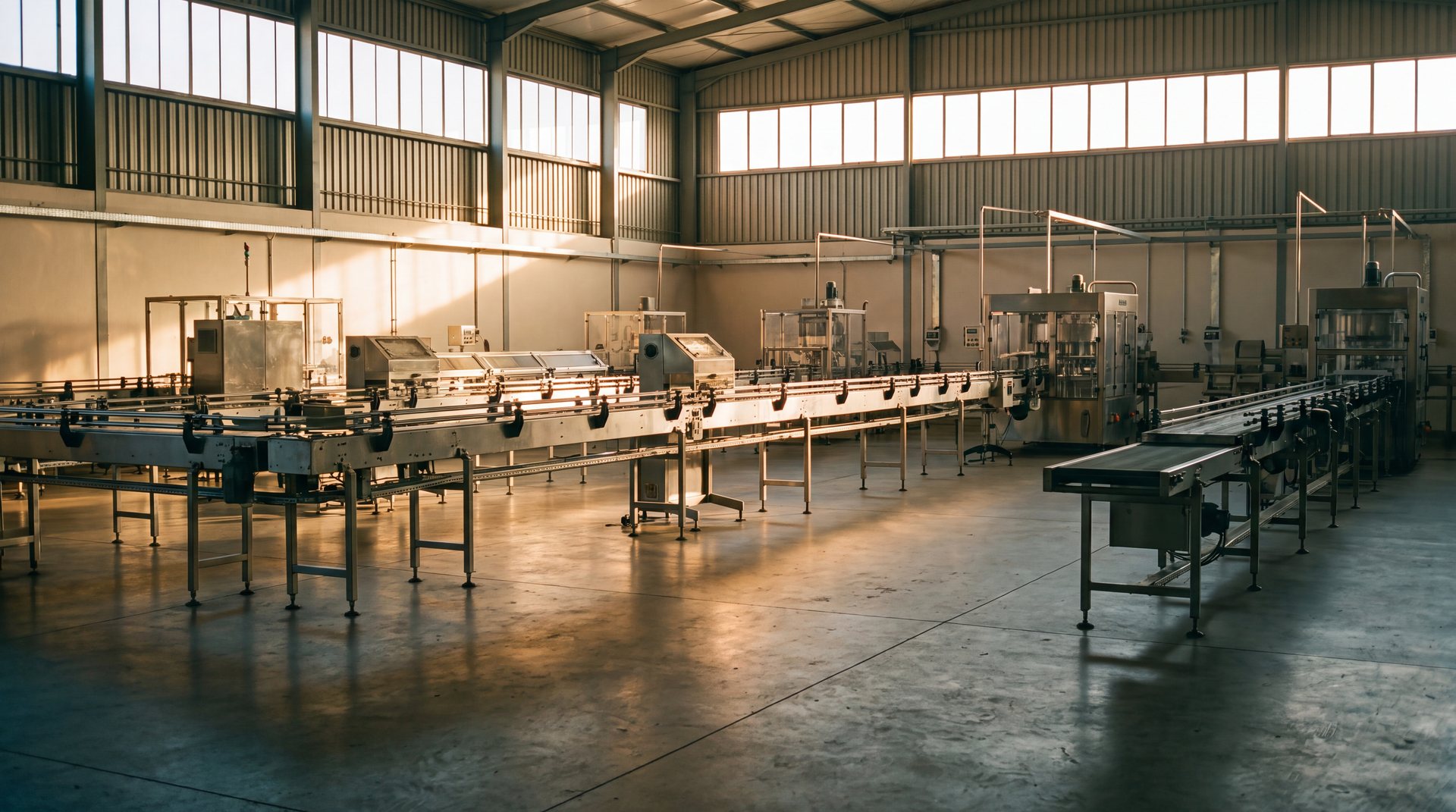
Most factories answer that question by walking to the store room, remembering what goes into a can, and estimating. Bala answers it in seconds, from a record nobody can edit.
What Bala is for
The information needed to answer them already exists. It is on the shelves, in the recipes, and in the head of whoever has been doing this longest.
01
Exactly, and by location.
Not forty litres of milk. Thirty in the cold room, ten at the canning line, two out with a team and five hundred millilitres owed back.
02
And what is stopping it being more.
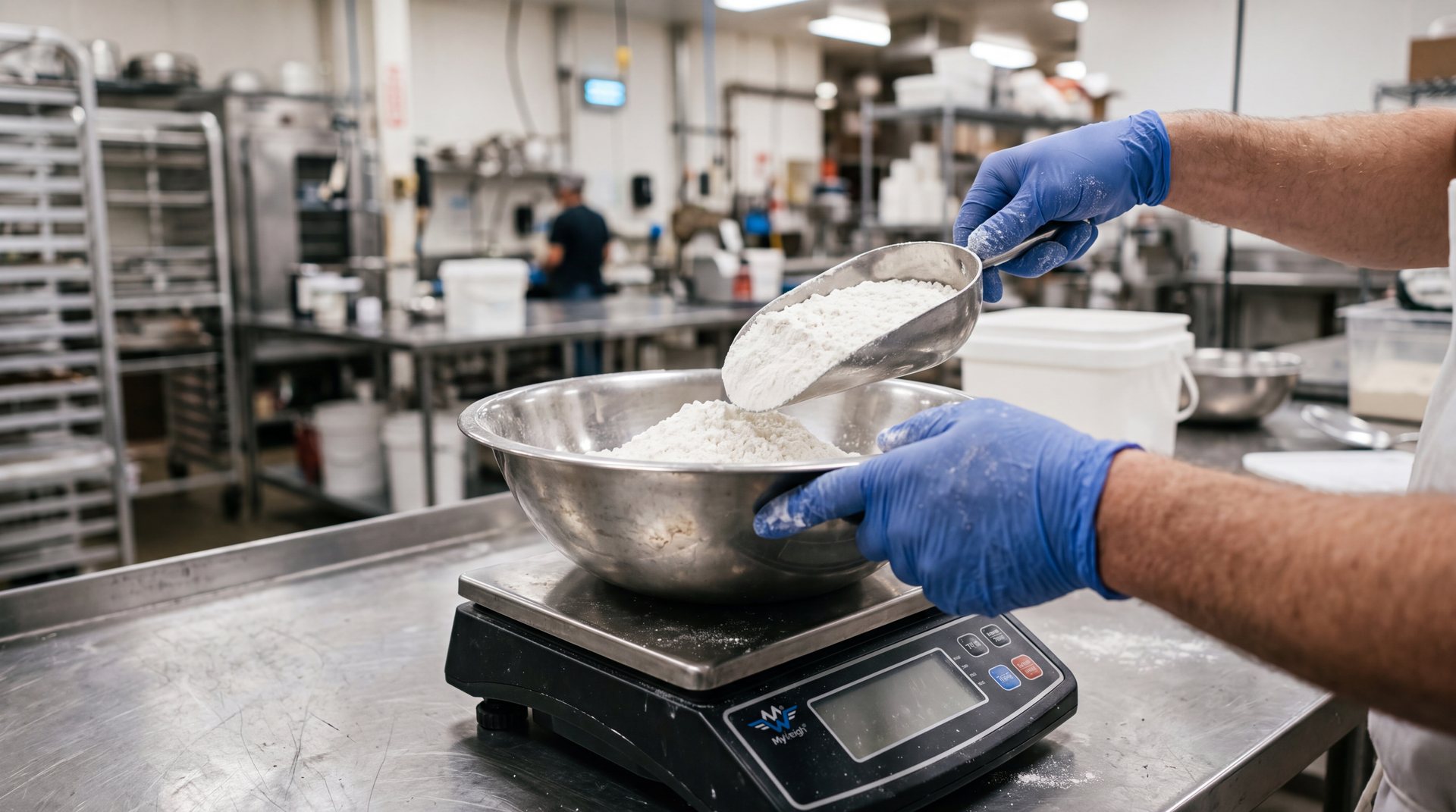
Resolved through every level of every recipe, naming the single ingredient that is limiting it. Knowing you can make 280 is useful. Knowing it is the milk is actionable.
03
Net of what you already owe other customers.
The honest answer is not what is on the shelf. Promise the same ingredients twice and you fail two customers instead of declining one.
04
A shopping list with a date on it.
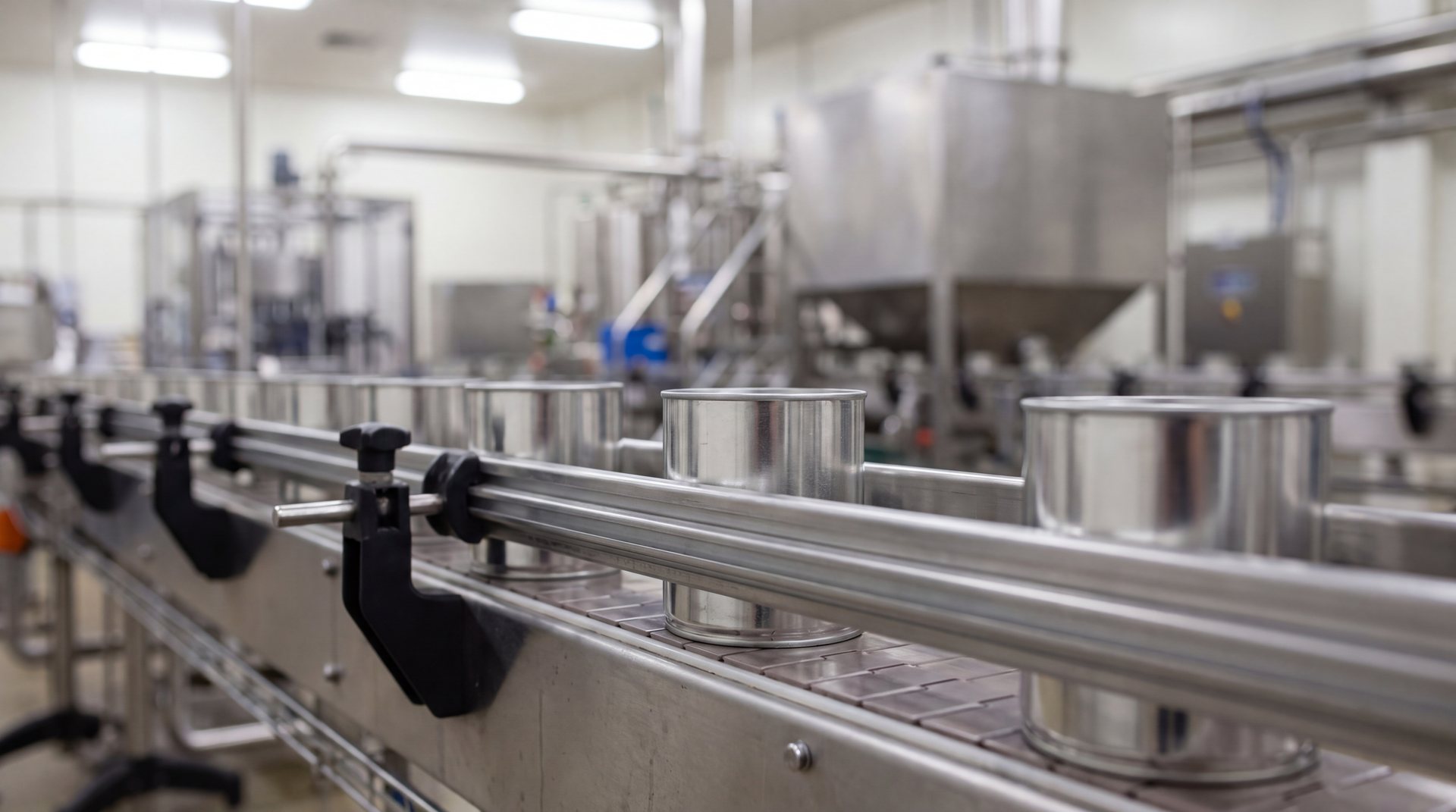
Short 48 litres of milk, which is four containers, from this supplier, three days away. So the order is ready on the eighth, and you can say so on the phone.
The error most factories are making without knowing
“We can make 280 of the first.”
True.
“We can make 200 of the second.”
Also true.
Both wrong at the same time, because each answer quietly assumed it had all of the milk.
Bala works the answer out for the order as a whole, netted through every recipe to raw ingredients in one pass. It is the clearest thing a spreadsheet cannot fix.
The number that matters
Three figures, the same size as each other, because none of them is more important and making one bigger would tell the factory which to trust.
On hand
80
cans
Finished, countable today
Can make
280
cans
Limited by milk
Free to promise
310
cans
50 already committed
And five litres of milk on the shelf is not five litres you can sell. Several products draw on the same ingredient, so Bala tracks what is on hand, what is committed, and what is genuinely available. Every makeable figure is built on the last one.
What it does
Every movement recorded against a place and a person. Daily counts entered without the counter seeing what the system expects.
A multi-line order gets one verdict: what is short, how much to buy, in the units you buy it in, and the date it would be ready.
Accepted orders become drafted jobs and picks with the measurements already calculated. Nothing reaches the floor until your manager releases it.
The maker sees the sequence at the quantity being made, marks each step, and records what actually went in the pot.
Weighed ingredients are staged to a named destination, and whoever must collect them is reminded until they do.
Not an operator, not a manager, not an administrator, not us. A correction is a new entry and both stay visible for ever.
What does not change
If your rating depends on signed hard copy on letterhead, Bala does not replace it. It scans it, holds as many pages per record as it needs, and links each one to the job, the batch and the recipe version. The paper stays the authority. Bala becomes the index.
Before you ask
Most of the effort is getting the recipes right, not writing software. A system with most of the recipes loaded is not mostly useful; it is misleading, because some of its answers are wrong and nobody knows which ones.
Bala is only as good as the last time the recipes and supplier lead times were updated. We make a named owner a condition of going live rather than a recommendation.
No payroll, no HR, no customer relationships, no general ledger, and none of those are coming. It does one job.
A short conversation, then two weeks on your floor. At the end you have a fixed price and your factory's knowledge written down, and you owe nothing further.